


Benefits of Knitwear Sourcing in Peru for Fashion Brands

Introduction: Why Peru Stands Out in Global Knitwear Production
Why is Peru considered a global hub for premium knitwear sourcing?
Peru is widely recognized in the global textile industry as a strategic sourcing destination for premium knitwear due to its combination of natural luxury fibers, specialized textile expertise, and vertically integrated production systems. These advantages allow fashion brands to produce high-quality knitwear while maintaining traceable supply chains and sustainable textile production standards.
Within the global textile sourcing landscape, Peru stands out for its ability to combine Andean alpaca fiber, technical knitwear craftsmanship, and responsible manufacturing practices, making it particularly attractive to brands operating in the luxury knitwear market and the growing sustainable fashion sector.
For fashion brands seeking high-quality knitwear, Peru has become one of the most attractive sourcing destinations in the world. Known for its premium natural fibers, skilled textile workforce, and vertically integrated supply chains, the country offers a unique combination of quality, reliability, and sustainability. From luxury labels to emerging designers, many brands turn to knitwear in Peru to produce sweaters, cardigans, and other knitwear pieces that require both craftsmanship and consistency.
Understanding the benefits of sourcing knitwear in Peru helps brands make informed decisions about where to manufacture and how to position their products in the market.

Premium Natural Fibers: Alpaca and High-Quality Cotton
One of Peru’s biggest advantages in knitwear production is access to exceptional raw materials. The country is globally recognized for its alpaca fiber, which is softer, warmer, and lighter than many other natural fibers. Alpaca knitwear is highly valued in the luxury and premium segments because of its durability and natural thermal properties.
What makes alpaca fiber unique for knitwear?
Alpaca fiber is naturally lightweight, breathable, and highly insulating, making it ideal for premium knitwear garments. Compared with many traditional wool fibers, alpaca provides warmth without excessive weight and maintains its softness and durability over time.
Peru is also responsible for approximately 80% of the world’s alpaca fiber production, positioning the country as the global center for alpaca-based textile manufacturing.
In addition to alpaca, Peru produces high-quality cotton varieties, including long-staple cotton that provides softness, breathability, and strength. These fibers allow manufacturer to create knitwear that maintains its shape and comfort over time, making Peruvian products particularly attractive to brands focused on premium quality.
Because the fibers are sourced locally, manufacturer can maintain strong control over quality and traceability throughout the production process, supporting supply chain transparency and traceable textile sourcing.
Strong Textile Expertise and Craftsmanship
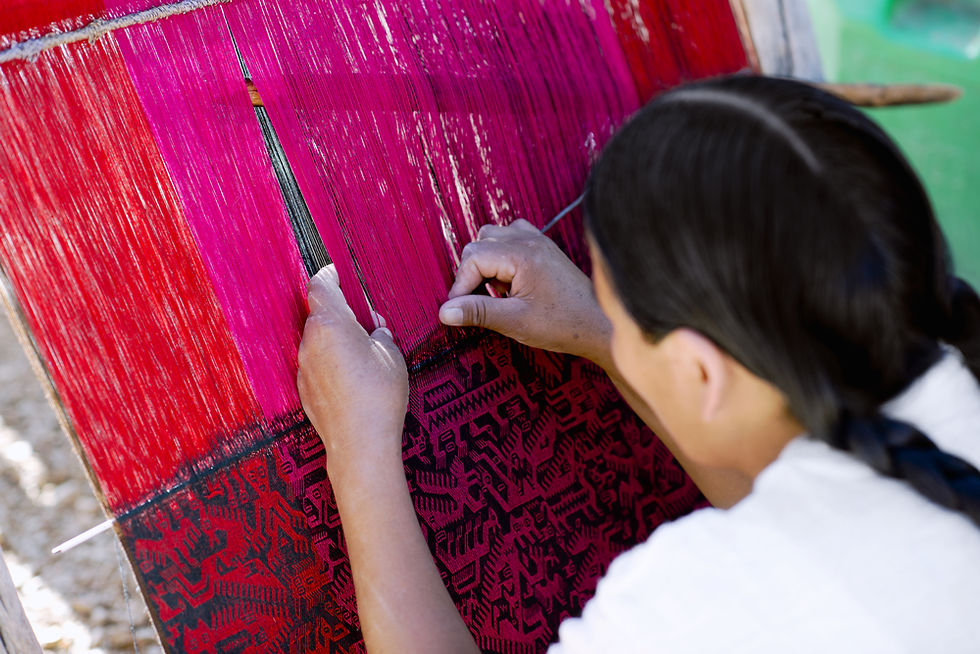
Peru’s textile tradition dates back thousands of years, and that heritage is still reflected in today’s knitwear manufacturing industry. This long-standing expertise is one of the key advantages of Peruvian knitwear manufacturing, as many factories combine modern knitting technology with highly skilled technicians who specialize in complex knit structures, finishes, and garment construction.
Peruvian textile heritage and industry expertise
The textile industry in Peru is deeply rooted in Andean history, with advanced weaving and fiber-processing techniques developed by pre-Columbian civilizations more than 3,000 years ago. This heritage continues to influence modern knitwear production, where traditional knowledge coexists with contemporary manufacturing technologies.
This expertise allows brands to develop a wide variety of knitwear styles, from simple jersey knits to intricate cable patterns and textured designs. Peruvian manufacturers are also known for their ability to produce smaller, design-focused collections, which is especially valuable for boutique brands and premium fashion labels.
The strong technical knowledge within the industry also helps reduce production errors and ensures that garments meet strict international quality standards.
Vertical Integration and Supply Chain Efficiency
Another key reason why knitwear source from Peru is the high level of vertical integration available within the textile sector. Many manufacturers manage multiple stages of production in-house, including yarn spinning, knitting, dyeing, finishing, and garment assembly.
What are the benefits of vertical integration in knitwear manufacturing?
Vertical integration allows manufacturers to control multiple stages of the production process within a single operation. For fashion brands, this improves quality control, reduces coordination between suppliers, and enables faster product development.
This structure also contributes to traceable supply chains and supply chain transparency, which are increasingly important in modern ethical manufacturing and slow fashion business models.
This integrated structure provides several benefits for fashion brands. First, it shortens production timelines by reducing the need to coordinate with multiple suppliers. Second, it improves quality control because each stage of production is closely monitored within the same company or network of partners.
Vertical integration also facilitates product development, allowing brands to experiment with yarn blends, knit structures, and color variations more efficiently during the sampling process.
Sustainability and Responsible Production
Sustainability has become a central concern for many fashion brands, and Peru offers advantages in this area as well. The use of natural fibers such as alpaca and cotton aligns with the growing demand for biodegradable and renewable materials.
Sustainable textile production in Peru
Natural fibers such as alpaca are renewable and biodegradable, making them well aligned with the principles of sustainable fashion and responsible sourcing. Alpacas also have a relatively low environmental impact compared to many livestock fibers, as they require less water and cause minimal damage to grazing ecosystems.
Additionally, many Peruvian manufacturers have invested in environmentally responsible processes, including water treatment systems, eco-friendly dyes, and energy-efficient production technologies. Ethical labor practices and fair working conditions are also important aspects of the country’s textile industry.
For brands that prioritize transparency and sustainability, sourcing from Peru can support both environmental goals and responsible supply chain strategies.

Strategic Market Access
Peru also benefits from favorable trade agreements with major international markets. Agreements with the United States and the European Union help reduce or eliminate tariffs on many textile and apparel products, making Peruvian knitwear more competitive globally.
Within the global apparel sourcing landscape, Peru is often positioned as a premium-quality alternative to high-volume manufacturing hubs in Asia, particularly for brands seeking smaller production runs, luxury fibers, and responsible manufacturing standards.
The Peruvian textile and apparel sector exports over $1.5 billion annually, with knitwear and fiber-based garments representing an important segment of the country’s international fashion trade.
Combined with relatively efficient logistics and proximity to North American markets, these trade advantages help brands manage costs while maintaining high production standards.
Conclusion: A Competitive Advantage for Knitwear Brands
For fashion brands looking to produce high-quality knitwear, Peru offers a compelling combination of premium fibers, skilled craftsmanship, integrated production, and sustainable practices. These strengths make the country an ideal partner for brands seeking both product excellence and reliable manufacturing.
As consumer demand continues to shift toward quality, transparency, and responsible sourcing, Peru’s knitwear industry is well positioned to remain a key global hub for premium knitwear production.
Why brands partner with specialized knitwear developers in Peru
Working with experienced development partners can help fashion brands navigate the local textile ecosystem, identify the right manufacturers, and streamline the product development process.
To fully benefit from Peru’s knitwear capabilities, many brands choose to partner with specialized development teams that understand both the local manufacturing ecosystem and the needs of international fashion labels. At Knit Lab Peru, brands gain access to this expertise through a collaborative approach to product development, sourcing, and production. By connecting premium Peruvian fibers, experienced manufacturers, and modern knitwear design processes, Knit Lab helps fashion brands transform their ideas into high-quality knitwear collections made in Peru.

Article reviewed by Grace Wouters Huamanchumo, co-founder of Knit-Lab Peru and international knitwear industry specialist with over 10 years of experience working with fashion brands across the U.S., Europe, and Australia. Her expertise in sustainable manufacturing, strategic sourcing, and Fair Trade practices ensures the accuracy and relevance of the content published on this site.


