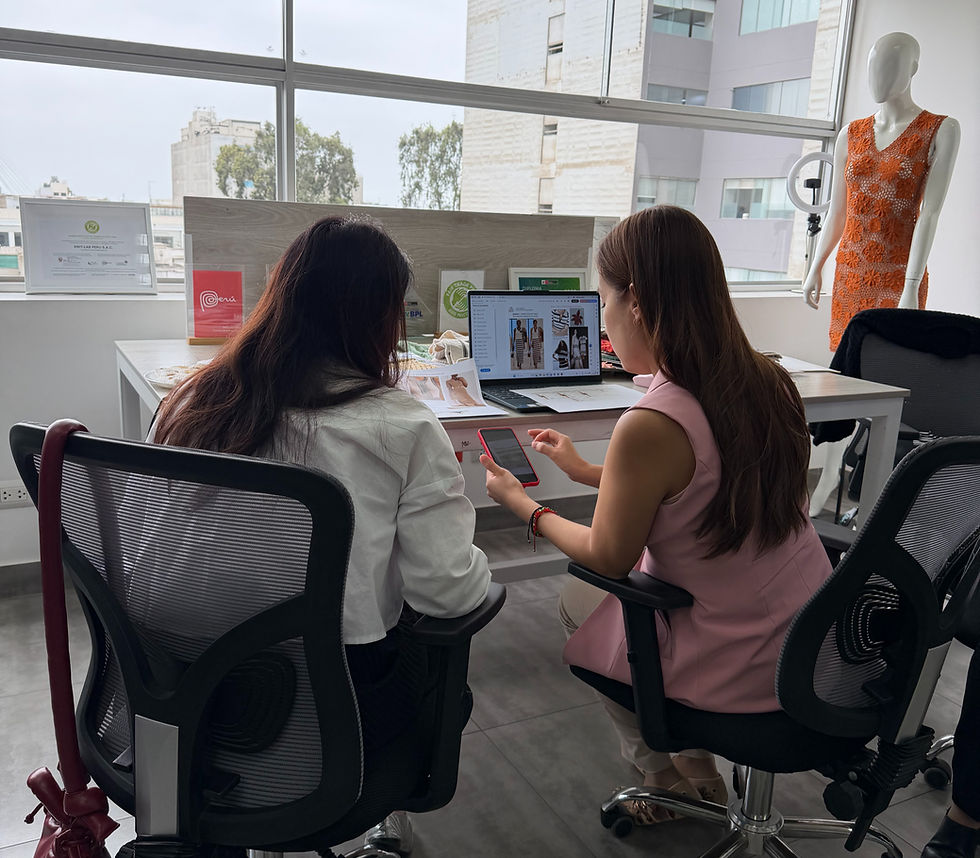
How to Create a Plan for a Small Knitting Business

Building a Scalable Knitwear Brand with the Right Manufacturing Strategy
What Is a Knitting Business Plan?
A knitting business plan is a strategic document that defines how a knitwear brand will develop, manufacture, market, and scale its products profitably. It outlines the brand's niche, target customer, yarn strategy, product range, production processes, financial projections, quality control standards, and distribution channels.
Transforming a creative idea into a profitable knitting business requires more than strong design concepts. It requires structure, operational planning, sourcing strategy, manufacturing expertise, and long-term scalability.
A successful knitting business plan should answer fundamental questions:
What type of knitwear products will you offer?
Who is your target customer?
What materials and yarns will define your brand?
How will you manage production quality and timelines?
Which manufacturing partner can support your growth?
A small knitting business plan helps define your niche, product range, yarn strategy, production costs, manufacturing partner, and sales channels before launch.
At Knit Lab Peru, we work with emerging and established brands that want to build premium knitwear collections with professional manufacturing standards. Through technical development, yarn sourcing, sampling, and production support, we help transform small business ideas into commercially viable knitwear products.

1. Define Your Knitwear Niche
The first step in building a knitting business plan is identifying your niche.
The knitwear market is broad and highly competitive, so clarity is essential. Instead of trying to produce everything, successful small brands usually focus on a specialized segment.
Examples include:
Luxury alpaca knitwear
Sustainable knit fashion
Minimalist essentials
Baby knitwear
Handmade-inspired collections
Technical performance knitwear
Contemporary streetwear knits
Resort and lightweight knits
Your niche influences every business decision:
Product design
Yarn selection
Price positioning
Manufacturing complexity
Branding and communication
Distribution channels
Peru has become internationally recognized for premium natural fibers such as alpaca, merino wool, cotton, and sustainable blends. Working with an experienced knitwear manufacturer allows small businesses to access specialized yarns and technical expertise that help differentiate their collections from mass-market products.
2. Research the Market and Your Target Customer
A knitting business plan should include detailed market research.
Understanding your customer helps you develop products that align with real demand instead of assumptions.
Key questions include:
Who will buy your products?
What price range fits your audience?
Which brands inspire your customers?
What knitwear gaps exist in the market?
What trends are growing globally?
Analyze:
Competitor brands
Retail pricing
Materials used
Product categories
Consumer reviews
Sustainability expectations
Seasonal demand
For example, many consumers now prioritize:
Traceable fibers
Ethical production
Slow fashion
Timeless designs
Durable garments
Reduced environmental impact
This shift creates opportunities for smaller knitwear businesses that focus on craftsmanship, transparency, and responsible manufacturing.

3. Build a Clear Product Strategy
One of the biggest mistakes small knitting businesses make is launching too many products too early.
A strong business plan starts with a focused collection and a low-MOQ manufacturing strategy that allows brands to test the market safely.
Instead of producing 30 styles, many successful brands begin with:
3–5 core silhouettes
Limited color palettes
Consistent yarn compositions
Timeless designs
Small production runs
This approach reduces:
Development costs
Inventory risks
Sampling complexity
Production errors
It also helps strengthen brand identity.
When planning your collection, define:
Product Categories
Examples:
Sweaters
Cardigans
Knit pants
Scarves
Hats
Knit polos
Dresses
Home textiles
Fiber Composition
Examples:
Baby alpaca
Merino wool
Organic cotton
Alpaca blends
Cotton-cashmere blends
Technical Specifications
Including:
Gauge
Stitch structures
Weight
Finishing techniques
Trims and labels
Sizing standards
Understanding Key Knitwear Specifications
Gauge refers to the number of needles per inch used on a knitting machine. Higher gauges create finer, lighter fabrics, while lower gauges produce heavier and more textured knitwear. Gauge directly influences garment appearance, weight, yarn consumption, and production cost.
Stitch structures determine the texture, elasticity, appearance, and performance of a knitted garment. Common examples include jersey, rib, interlock, cable, and jacquard constructions.
MOQ (Minimum Order Quantity) is the minimum number of units a manufacturer requires to begin production. Lower MOQs help emerging brands validate demand while reducing inventory risk.
Early-stage product planning helps brands improve consistency, control development costs, and prepare for future growth.
4. Create a Financial Plan
A knitting business requires careful financial forecasting.
Even small collections involve multiple cost categories:
Yarn sourcing
Sampling
Production
Packaging
Shipping
Branding
Photography
Marketing
Website development
Import/export costs
Your business plan should estimate:
Startup Costs
Initial expenses required before launch.
Production Costs
Cost per garment and manufacturing expenses.
Pricing Strategy
Wholesale pricing, retail pricing, and profit margins.
Cash Flow
Production cycles often require upfront investment before sales occur.
Inventory Planning
Overproduction is one of the biggest financial risks for emerging fashion brands.
Working with flexible manufacturers can help reduce this risk and allow brands to scale more strategically.
Example: The Cost of Skipping Shrinkage Testing
Imagine a startup producing 500 sweaters at a manufacturing cost of $35 per unit.
If dimensional instability causes a 10% return rate after customers wash the garments, the brand may face:
$1,750 in lost production costs
Return shipping expenses
Customer service costs
Inventory replacement costs
Negative reviews
Reduced customer trust
A relatively small investment in testing before production can prevent significantly larger financial losses later.
5. Choose the Right Manufacturing Partner
Manufacturing is one of the most important decisions for a small knitting business.
Your manufacturer directly affects:
Product quality
Delivery reliability
Brand reputation
Cost efficiency
Scalability
Sustainability standards
A strong knitwear manufacturing partner should provide:
Technical expertise
Yarn sourcing support
Sampling development
Quality control systems
Production transparency
Communication efficiency
Flexible MOQs
Consistent timelines
This is particularly important in knitwear production because knitting requires technical precision at every stage:
Yarn behavior
Gauge consistency
Tension control
Washing stability
Shape retention
Finishing accuracy
At Knit Lab Peru, we work closely with brands throughout the entire process, including design interpretation, material recommendations, prototype development, knit programming, production planning, quality control, and final finishing.
The right manufacturing partner can reduce production risk, improve quality, and accelerate business growth.
6. Essential Technical Documents and Production Tools
Professional knitwear production relies on technical documentation and approval processes that help ensure consistency and reduce manufacturing errors.
Tech Pack
A tech pack is the technical blueprint of a garment. It contains measurements, construction details, yarn specifications, stitch information, trims, labels, colorways, and production instructions.
Sample Approval
Sample approval is the formal review stage where brands validate fit, appearance, construction quality, and performance before authorizing bulk production.
Lead Time
Lead time refers to the total time required from product development through sourcing, manufacturing, finishing, and final delivery.
Size Grading
Size grading is the process of proportionally scaling measurements across multiple garment sizes while maintaining fit consistency.
Production Calendar
A production calendar helps coordinate development milestones, material sourcing, sample reviews, manufacturing schedules, and delivery deadlines.
Care Labels
Care labels provide washing and maintenance instructions that help consumers preserve garment quality and reduce product complaints.
7. Develop a Quality Control Strategy
Product quality defines customer trust. For knitwear brands, quality issues can quickly damage reputation and increase returns. A professional knitting business plan should include quality control procedures for:
Yarn inspection
Color consistency
Measurements
Stitch quality
Shrinkage testing
Pilling resistance
Finishing standards
Packaging review
What Is Shrinkage Testing?
Shrinkage testing measures how much a garment changes dimensions after washing and drying. This process helps identify stability issues before production and reduces the risk of customer dissatisfaction.
What Is Pilling Resistance?
Pilling resistance measures a fabric's ability to resist the formation of small fiber balls caused by friction during normal wear.
What Does Quality Control Include?
Quality control (QC) is a systematic process used to verify consistency in measurements, color accuracy, stitch quality, finishing, labeling, and garment performance before shipment.
Knitwear is especially sensitive because natural fibers can react differently during washing, finishing, and wear. Consistent testing and inspection procedures help brands maintain quality standards and protect customer trust.
Successful knitwear brands are built on product consistency, quality control, and scalable manufacturing systems, not only creative design.
8. Build a Sustainable Growth Strategy
Today's consumers increasingly value sustainability and transparency.
A small knitting business can use this shift as a competitive advantage.
Sustainability now influences:
Purchasing decisions
Retail partnerships
Consumer loyalty
Brand credibility
A modern knitting business plan should evaluate:
Responsible fiber sourcing
Production efficiency
Waste reduction
Ethical labor practices
Long-lasting garment design
Packaging sustainability
Peru's textile industry is uniquely positioned in this space because of its connection to premium natural fibers and artisanal textile traditions.

9. Plan Your Sales and Distribution Channels
A business plan should clearly define how products will reach customers.
Common channels include:
Direct-to-consumer ecommerce
Boutique retailers
International wholesale
Online marketplaces
Pop-up stores
Social commerce
Each model requires different pricing structures, production volumes, and inventory strategies.
For example:
Wholesale usually requires larger production capacity.
Direct-to-consumer allows higher margins but requires stronger marketing investment.
Small capsule launches reduce inventory risks.
Your manufacturing strategy should align with your chosen sales model and growth objectives.
10. Prepare for Scaling
A strong knitting business plan is not only about launching, it is about scaling sustainably.
As your brand grows, operational complexity increases:
More SKUs
Larger production volumes
International logistics
Seasonal collections
Retail deadlines
Higher quality expectations
Planning ahead helps prevent operational bottlenecks.
Scalable knitwear manufacturing depends on:
Reliable technical systems
Production consistency
Experienced teams
Material availability
Quality assurance
Brands that establish scalable systems early are often better positioned to expand into new markets while maintaining product quality and operational efficiency.
Conclusion
Launching a knitwear brand requires far more than creative design ideas. Long-term success depends on making informed decisions about product development, yarn sourcing, manufacturing, quality control, and financial planning.
For emerging brands, selecting the right manufacturing partner is often one of the most important decisions in the entire business plan. A reliable manufacturer can help reduce development mistakes, improve product consistency, manage production timelines, and support future growth.
By combining clear market positioning, disciplined operational planning, and scalable manufacturing systems, small knitwear businesses can build stronger brands, reduce operational risk, and compete more effectively in global markets.
At Knit Lab Peru, we support brands throughout the journey, from concept development and technical sampling to premium knitwear production and quality assurance, helping transform ideas into collections designed for sustainable, long-term growth.

Article reviewed by Grace Wouters Huamanchumo, co-founder of Knit-Lab Peru and international knitwear industry specialist with over 10 years of experience working with fashion brands across the U.S., Europe, and Australia. Her expertise in sustainable manufacturing, strategic sourcing, and Fair Trade practices ensures the accuracy and relevance of the content published on this site.